
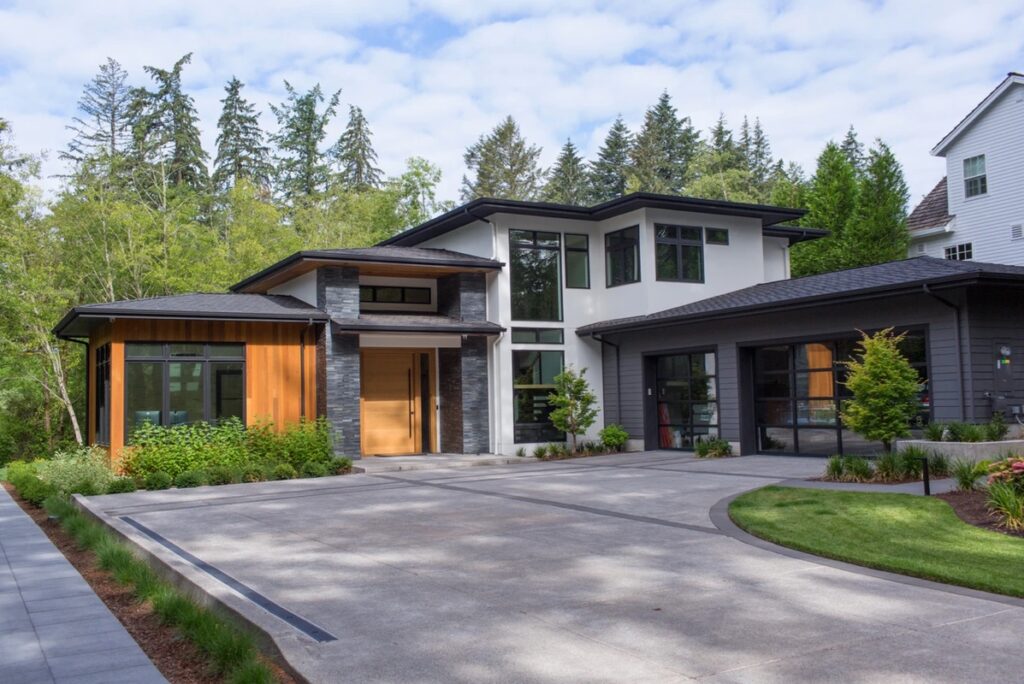

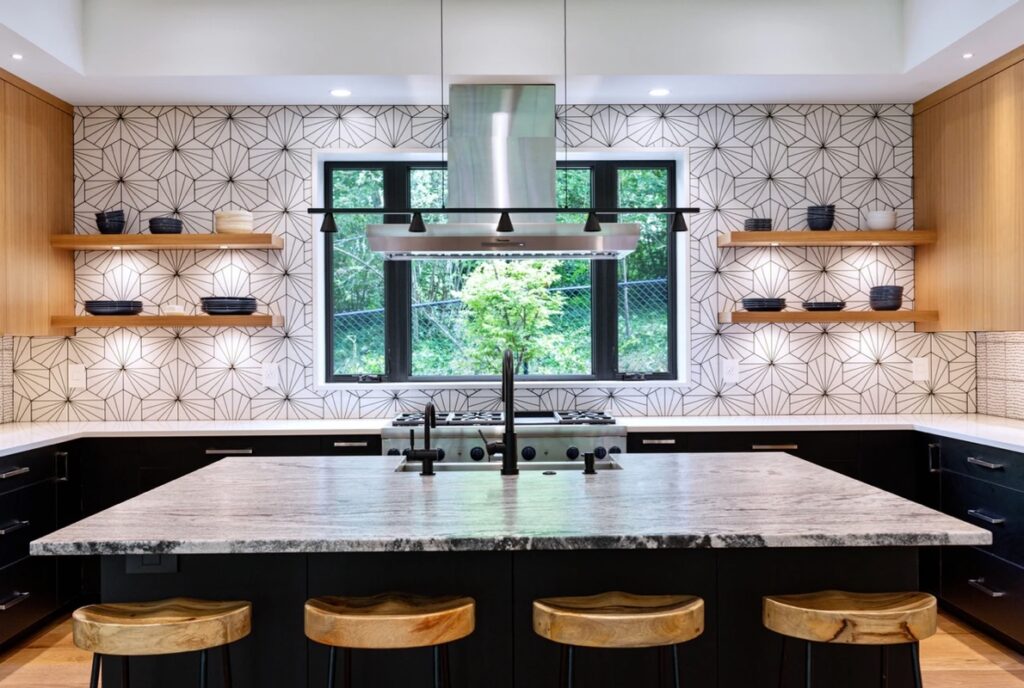
Luxury Kitchen by Teal Point Homes
For many buyers, new construction in Lake Oswego carries a simple appeal: a fresh start. Clean lines, modern layouts, energy efficiency, and fewer near-term maintenance concerns. But in practice, buying new construction here is less about novelty—and more about understanding price thresholds, land constraints, and long-term value.
Lake Oswego is a mature, supply-constrained market. That reality shapes how, where, and at what cost new homes are built. If you’re considering new construction, here’s how to think about it clearly and strategically.
Why New Construction in Lake Oswego Looks Different Than Other Markets
Unlike expanding suburban markets, Lake Oswego has very little undeveloped land. Most new homes are built through:
-
Tear-downs or lot splits
-
Small infill developments
-
Custom builds on legacy lots
That means new construction is rarely competing with entry-level housing. It’s competing at the upper end of the market—and buyers need to evaluate it accordingly.
What that translates to in real terms:
-
Higher baseline pricing due to land costs
-
Fewer opportunities, but often strong long-term value
-
Meaningful differences between neighborhoods that aren’t obvious on paper
Pricing in Lake Oswego: Setting Buyer Expectations
New construction in Lake Oswego typically prices above the neighborhood median—not because it’s new, but because the land already carries premium value.
While every pocket is different, buyers should generally expect:
-
Whole-city new construction: Often starts well above established resale homes
-
Infill neighborhoods (like First Addition): Higher price-per-square-foot, even on smaller lots
-
Custom builds: Pricing driven as much by lot acquisition and soft costs as by finishes
This is where many buyers get stuck—comparing a new home to an older resale without accounting for:
-
Demolition costs
-
System upgrades (sewer, utilities, stormwater)
-
SDCs, permits, and design requirements
-
Builder margin and timeline risk
New construction isn’t overpriced by default—but it is priced differently.
Neighborhood Matters More Than the House
Two new homes with similar finishes can perform very differently depending on where they’re built.
In Lake Oswego, buyers should pay close attention to:
Established Infill Areas
-
Strong resale demand
-
Walkability and school proximity often carry more weight than size
-
Smaller lots, but durable long-term value
Transitional or Edge Areas
-
More flexibility in lot size or layout
-
Greater spread in pricing outcomes
-
Resale performance depends heavily on execution and positioning
A modern home doesn’t automatically outperform its neighbors. Buyers still anchor to location, street feel, and comparables—even when the house is brand new.
Custom Build vs. Spec Home: Different Tradeoffs
Spec Homes
Pros
-
Faster timeline
-
Known price upfront
-
Easier financing path
Cons
-
Limited design input
-
Priced to market assumptions, not personal priorities
Custom Builds
Pros
-
Tailored layout and finishes
-
Better alignment with long-term needs
Cons
-
Longer timelines
-
Cost creep is real
-
More exposure to construction and market risk
Neither option is “better.” The right choice depends on how much control you want—and how much uncertainty you’re willing to carry.
What New Construction Does Well (and Where It Can Miss)
Strengths
-
Modern floorplans buyers want today
-
Energy efficiency and newer systems
-
Lower short-term maintenance
Common Misses
-
Overbuilding for the immediate market
-
Pushing size or price beyond neighborhood norms
-
Designs that photograph well but live awkwardly
The best new construction respects its surroundings. The worst ignores them.
Financing, Timing, and Market Cycles
New construction buyers should be especially mindful of timing:
-
Rate changes matter more on higher loan balances
-
Construction timelines can extend beyond initial estimates
-
Market conditions at completion—not contract—drive resale value
In balanced or softening markets, buyers with patience and strong advisory support often negotiate more effectively than those chasing early releases.
A Smarter Way to Evaluate New Construction
Instead of asking, “Is this worth it?” better questions are:
-
How does this compare to top resale options nearby?
-
Where is the pricing floor for this neighborhood?
-
If I owned this in five years, who would buy it next?
New construction works best when it’s evaluated as a long-term asset, not just a lifestyle upgrade.
Bottom Line
New construction in Lake Oswego can be a strong move—but only when buyers understand the rules of this market.
Scarcity, land value, and neighborhood context matter more here than novelty. When those elements align, new homes hold their ground well. When they don’t, buyers can overpay without realizing it until later.
The difference isn’t luck—it’s clarity.
Some of my favorite builders In Lake Oswego are; Teal Point Homes, Monogram, Stoneridge, and Renaissance
New Construction in Lake Oswego: Buyer FAQs
Is new construction in Lake Oswego more expensive than resale homes?
In most cases, yes. New construction in Lake Oswego typically prices above resale homes due to land scarcity, demolition costs, permitting, and modern build standards. Buyers are often paying as much for the lot as the home itself.
Where does new construction usually happen in Lake Oswego?
Most new homes are built through tear-downs and infill projects in established neighborhoods rather than large subdivisions. First Addition, West Lake Grove, and select pockets near downtown see the most activity.
Is new construction a good long-term investment in Lake Oswego?
It can be—when the home fits the neighborhood. New construction that respects lot size, price thresholds, and buyer expectations tends to hold value well. Overbuilt homes or homes priced above neighborhood norms can struggle on resale.
Should I choose a spec home or a custom build?
Spec homes offer speed and price certainty. Custom builds provide design control but involve longer timelines and higher risk of cost overruns. The better option depends on your timeline, flexibility, and tolerance for uncertainty.
What should buyers compare new construction against?
Buyers should compare new construction to the best resale homes in the same neighborhood—not just other new builds. Layout, location, pricing floor, and resale demand matter more than age alone.